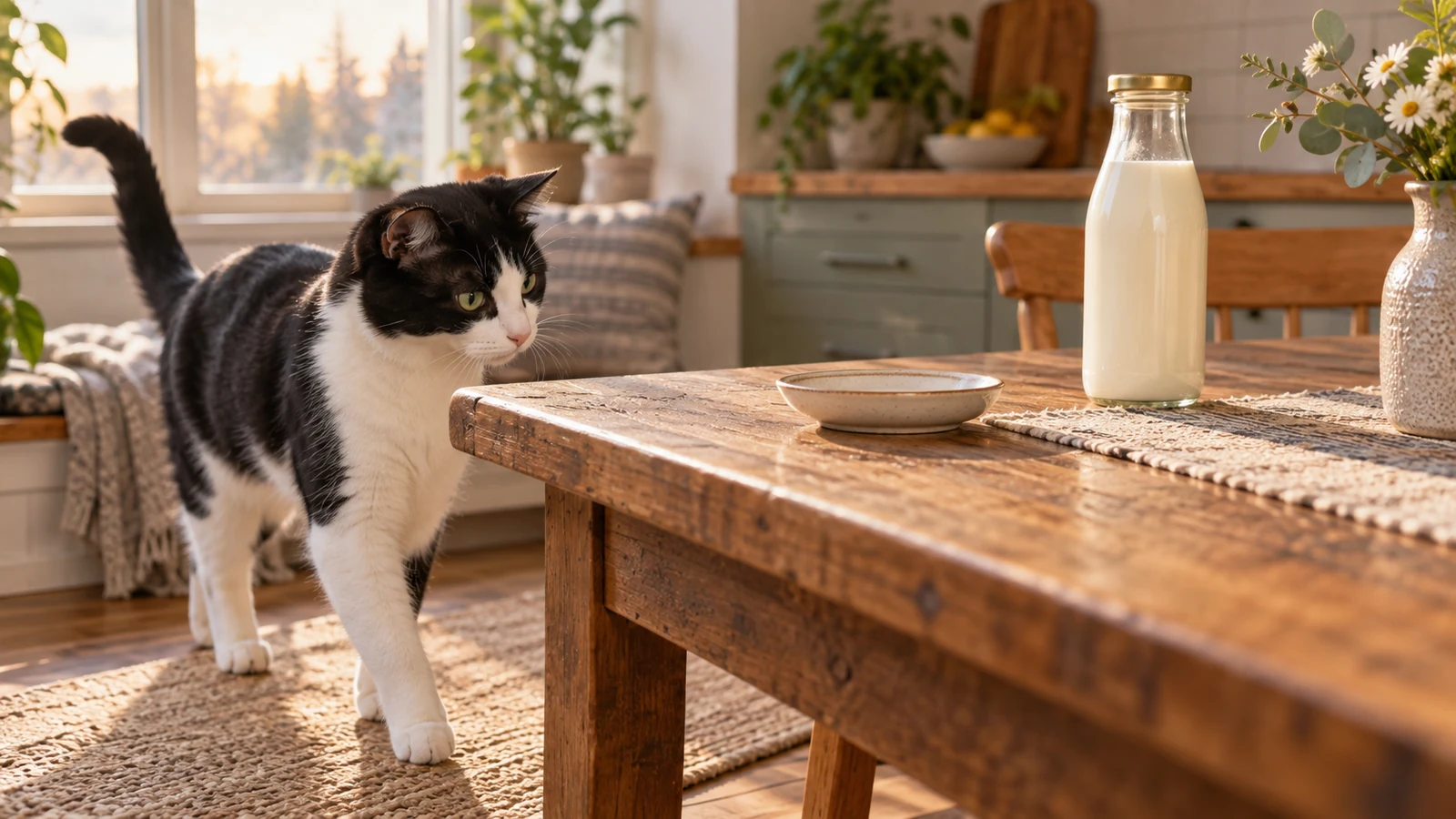
If your cat appears the moment the milk carton opens, the request can feel harmless: a hopeful stare, one paw on the chair, perhaps a determined attempt to inspect your cereal bowl. But the familiar picture of a cat with a saucer of milk is not a good feeding guide. Fresh water should be an adult cat’s everyday drink, and ordinary cow’s milk is best avoided because many cats digest lactose poorly. This guide explains why, how lactose-free and “cat milk” products differ, what kittens actually need, and what to watch for if your cat steals a sip.
Can cats drink milk? The short answer
Milk is not recommended as a routine drink or treat for adult cats. After weaning, many cats produce less lactase, the enzyme that helps digest the milk sugar lactose. Poorly digested lactose can lead to gas, abdominal discomfort, loose stool, vomiting, or diarrhea. The Cornell Feline Health Center therefore advises that milk is generally not a suitable cat treat, while VCA’s feline feeding guidance notes that most kittens lose much of their ability to digest lactose by about 12 weeks.
Individual response varies. One cat may steal a lick and appear normal; another may develop digestive trouble after a small serving. Absence of an obvious reaction does not turn milk into a nutritional requirement. A complete food appropriate for the cat’s life stage and constant access to clean water remain the routine baseline.
Why adult cats often struggle with lactose
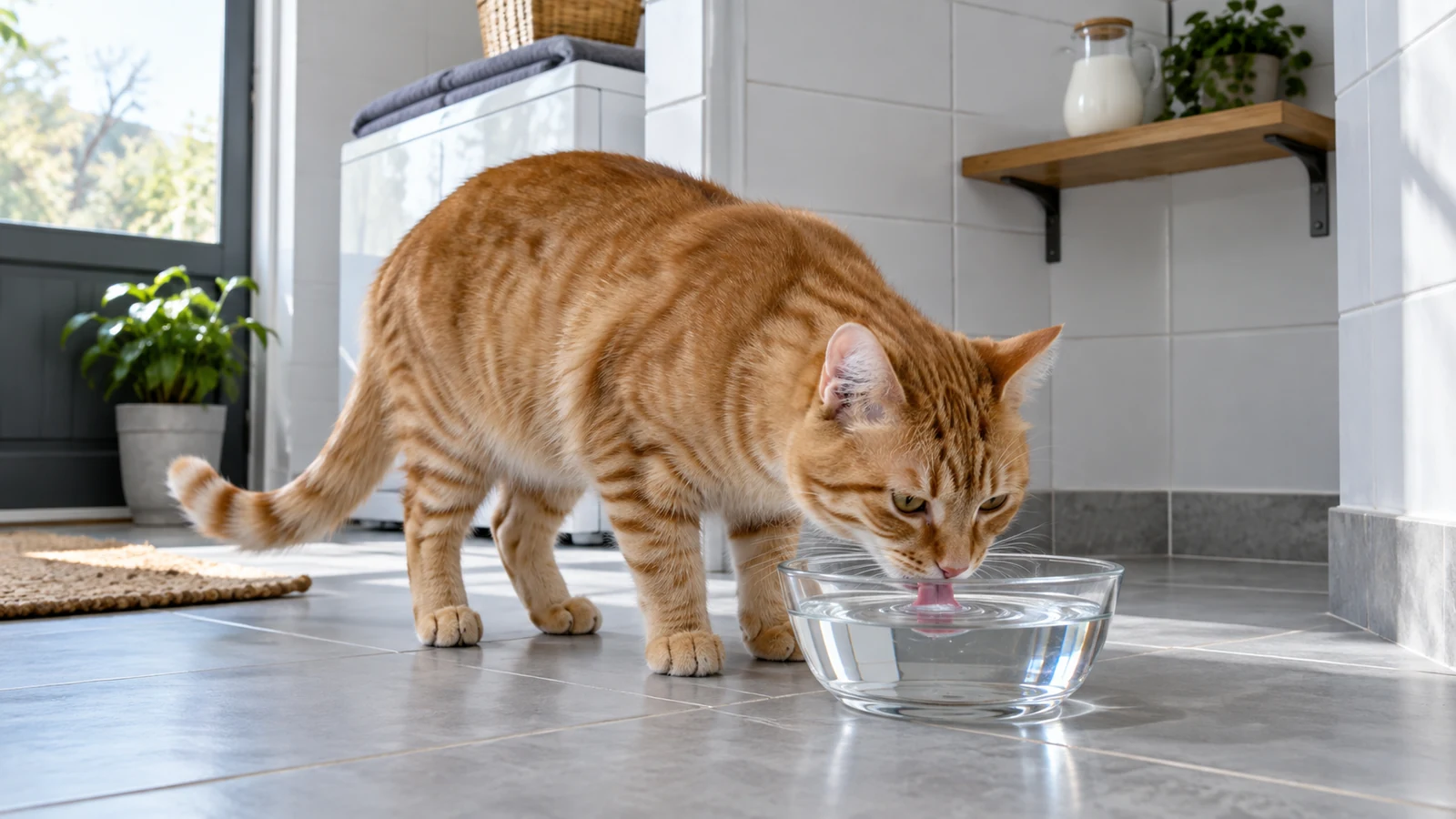
Lactose must be split into smaller sugars before the intestine can absorb it efficiently. Lactase does that work during nursing, when milk is a kitten’s natural food. As weaning progresses, lactase activity typically falls. A review of small-intestinal function notes that the decline is especially marked in cats and that adult animals may become intolerant when fed excess milk.
When lactose is not fully digested, it remains in the intestine. It can draw in water and be fermented by intestinal bacteria, which helps explain diarrhea, gas, and cramping. This is an intolerance mechanism, not proof of a milk allergy, and similar symptoms can have other causes. If a cat becomes unwell, a veterinarian should assess the whole situation rather than treating a single food as a certain diagnosis.
Those small household rituals still matter. The curious walk toward the breakfast table, the exact tilt of an ear, or the look a cat gives one particular person can be more distinctive than a breed label. A favorite photograph of that moment can later serve as reference for a custom pet sculpture, without turning the moment itself into a feeding habit.
Cow’s milk, cat milk, plant drinks, and kitten formula are not interchangeable
The word milk covers products with very different purposes. Before offering anything, identify the exact product and read its ingredient and calorie information.
| Product | What it means for a cat | Practical guidance |
|---|---|---|
| Pasteurized cow’s milk | Contains lactose and adds calories without completing a cat’s diet. | Do not use it as a routine drink or treat. |
| Goat’s milk | Still contains lactose; tolerance cannot be assumed. | It is not a default solution for a cat that reacts to cow’s milk. |
| Lactose-free human milk | Has less or no lactose, but it still adds calories and is not nutritionally necessary. | It should not replace water or complete cat food; ask your veterinary team if there is a specific reason to offer it. |
| Commercial “cat milk” | Usually formulated as a supplemental treat rather than a complete meal or hydration plan. | Check the label, calories, life-stage directions, and serving guidance. Treat it as an extra, not a water substitute. |
| Oat, almond, soy, or other plant drinks | Formulations vary and may include sugar, oils, flavorings, salt, thickeners, or other unsuitable ingredients. | Do not assume “lactose-free” means appropriate for cats. |
| Kitten milk replacer | A purpose-made product for kittens that cannot receive enough mother’s milk. | Use only an age-appropriate kitten product with veterinary or experienced rescue guidance. |
| Raw or unpasteurized milk | Adds an infectious-disease risk beyond ordinary lactose intolerance. | Do not feed it to cats. |
In the United States, AAFCO explains that foods labeled complete and balanced are designed to meet a species and life stage’s nutritional needs. Treats and supplements generally are not. The WSAVA Nutrition Committee recommends keeping treats to no more than 10% of a healthy adult cat’s daily calories and specifically advises avoiding milk and dairy because many cats are lactose intolerant. A cat with a medical condition, food sensitivity, weight concern, or veterinary diet needs individual advice rather than a generic treat rule.
Raw milk is a separate and more serious risk
Raw milk should not be treated as a more “natural” version of a questionable treat. In May 2026, the US Centers for Disease Control and Prevention reported that cats in Los Angeles County became ill after consuming raw milk, raw meat, or raw pet food during the H5N1 outbreak; nine tested positive for H5N1. The CDC report advises pet owners not to feed cats raw animal products, including unpasteurized milk.
That warning is about infection, not lactose. Pasteurization and lactose reduction solve different problems, so “raw,” “goat,” and “lactose-free” should never be treated as interchangeable safety claims.
What if your cat already drank some milk?
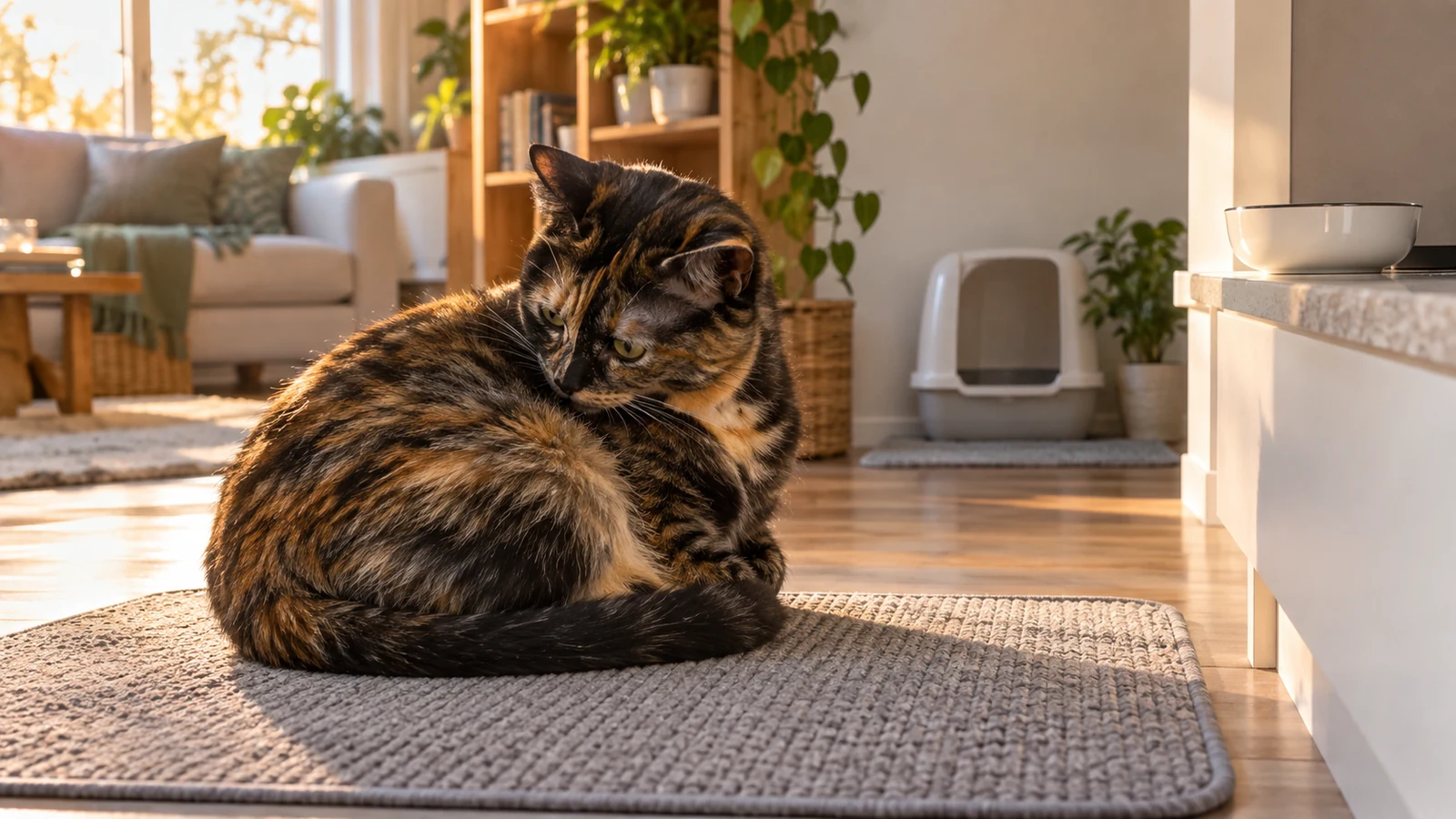
For a healthy adult cat that stole a small amount of ordinary pasteurized milk, the sensible first steps are usually simple: remove access, note the product and approximate amount, keep fresh water available, and observe the cat. Do not deliberately give more to “test” tolerance.
Watch for vomiting, diarrhea, gas, obvious abdominal discomfort, reduced appetite, unusual tiredness, or difficulty keeping water down. Call your veterinarian promptly if signs are severe, persistent, worsening, or repeated; if the cat is very young, elderly, or medically vulnerable; or if the drink contained another concerning ingredient. Exposure to raw milk deserves veterinary advice because its risk is not limited to digestive upset.
What kittens need instead of cow’s milk
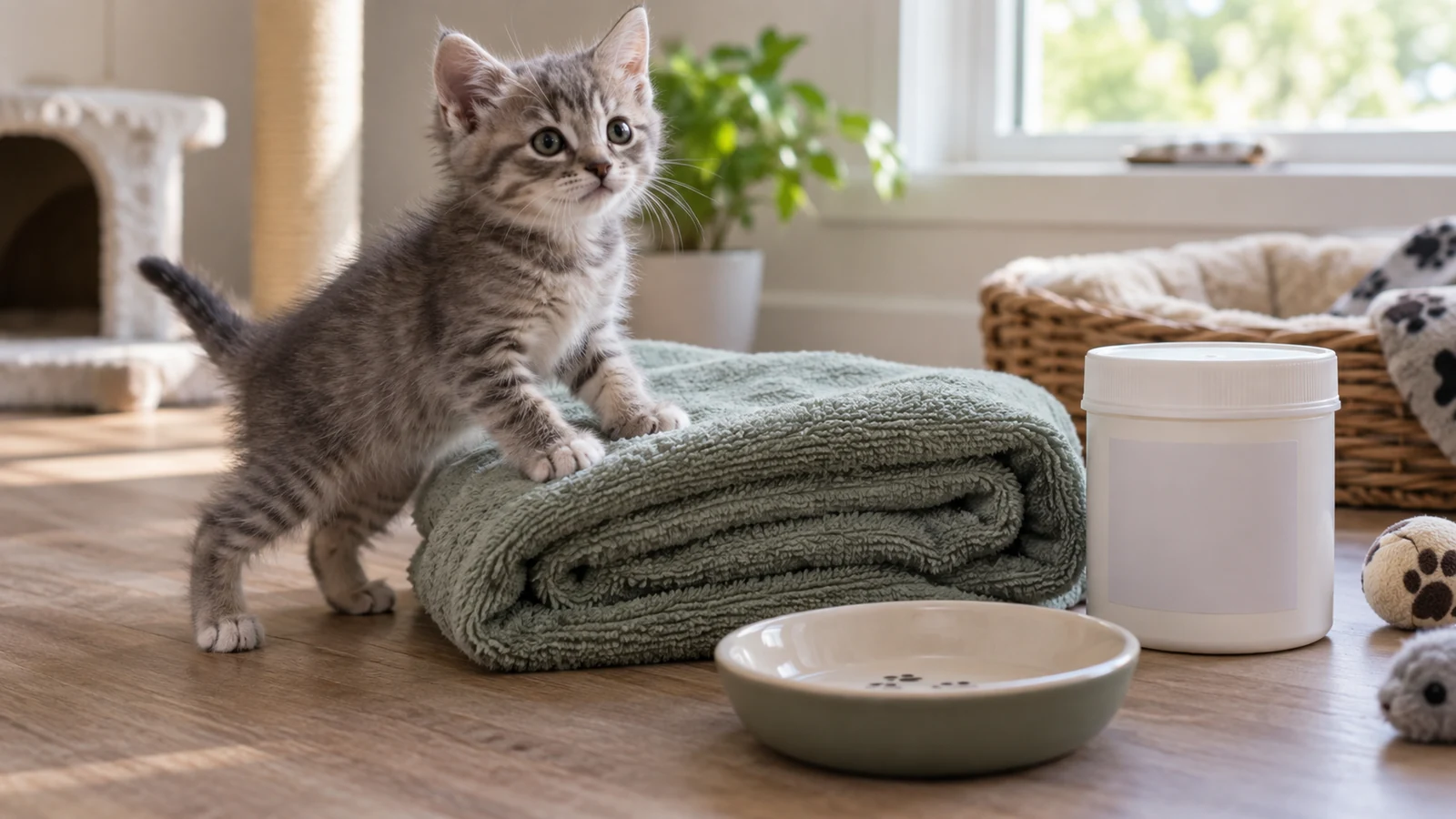
A nursing kitten is built to digest its mother’s milk, which is not nutritionally equivalent to cow’s milk. An orphaned or underfed kitten needs a kitten-specific milk replacer and a feeding plan matched to age, weight, temperature, health, and weaning stage. Cow’s milk, goat’s milk, and human infant formula are not reliable substitutes.
Very young kittens can deteriorate quickly with diarrhea, dehydration, inadequate feeding, or chilling. If you find an unweaned kitten or the mother is not nursing, contact a veterinarian or experienced rescue organization rather than improvising a household recipe. Once a kitten is weaned onto an appropriate complete diet, fresh water becomes the normal drink.
Why does a cat beg for milk if it is not needed?
Cats can be attracted to the smell, fat, familiar sound of a carton opening, or the attention attached to a repeated kitchen routine. Wanting something does not show that it is nutritionally useful or well tolerated. The reward may be the ritual as much as the liquid.
You can keep the social moment without keeping the milk. Refresh a water bowl, offer a water fountain if your cat prefers movement, use part of the cat’s measured daily food as the reward, or choose a cat-appropriate treat that fits the overall calorie plan. If a cat suddenly starts drinking much more or much less than usual, that change deserves veterinary attention rather than a flavored drink designed to coax intake.
A better way to preserve the breakfast ritual
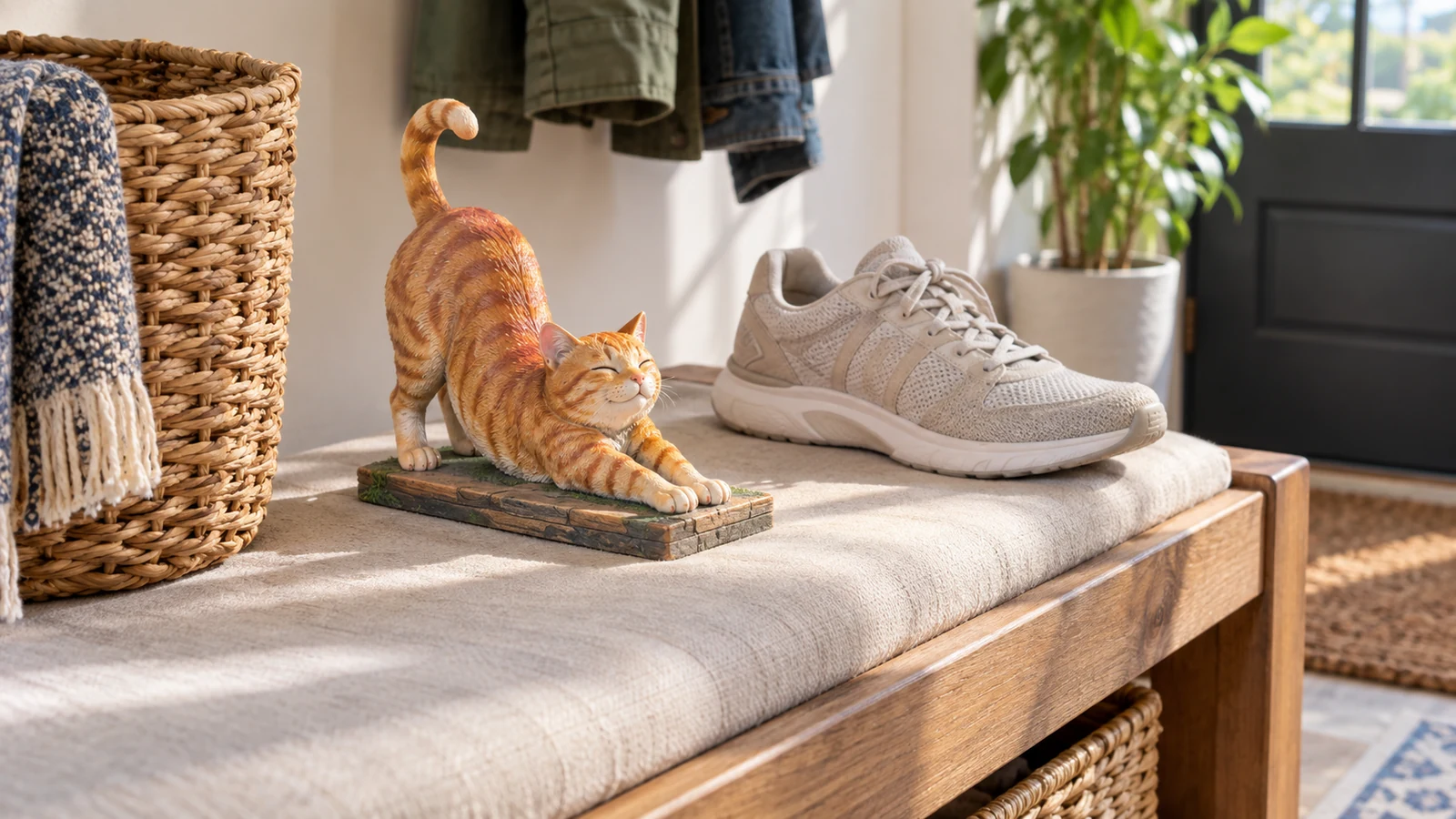
The safest version of the ritual is often the simplest: your drink stays yours, your cat has fresh water and a balanced meal, and the two of you still share the quiet few minutes before the day begins. The detail worth keeping may be the waiting spot, the raised paw, or the expression that arrives before you have even opened the refrigerator.
If you want to turn one of those familiar photographs into a lasting object, Tiny Presence creates full-color custom pet sculptures in 10 cm, 12 cm, and 15 cm finished heights. The purpose is to hold onto the individual posture and markings you already know—not to encourage feeding something that may not suit the cat.
Frequently asked questions
Is one lick of milk dangerous for a cat?
A small accidental lick of ordinary pasteurized milk is not usually an emergency for an otherwise healthy adult cat. Remove the milk and monitor for digestive signs. Call a veterinarian if symptoms are severe, persistent, worsening, or accompanied by lethargy or inability to keep water down.
Can cats drink lactose-free milk?
Removing lactose may reduce one source of digestive trouble, but it does not make milk necessary, calorie-free, or appropriate for every cat. Ingredients vary, and lactose-free human milk should not replace water or complete cat food.
Can cats drink goat’s milk?
Goat’s milk still contains lactose, so it is not a guaranteed alternative for a cat that struggles with cow’s milk. Raw goat’s milk also carries infectious-disease concerns. Do not use it as a routine drink.
Can kittens drink cow’s milk?
No. Kittens should receive their mother’s milk or an age-appropriate kitten milk replacer when nursing is not possible. Get veterinary or experienced rescue guidance for an orphaned or underfed kitten.
Are cheese and yogurt safer than milk?
Fermented dairy products may contain different amounts of lactose, but they can still be high in fat, salt, or calories and may contain unsuitable flavorings. They are not automatically safe treats. Check the exact product and ask your veterinary team if your cat has dietary or medical restrictions.
Explore more evidence-led cat and dog stories in the Tiny Presence blog.