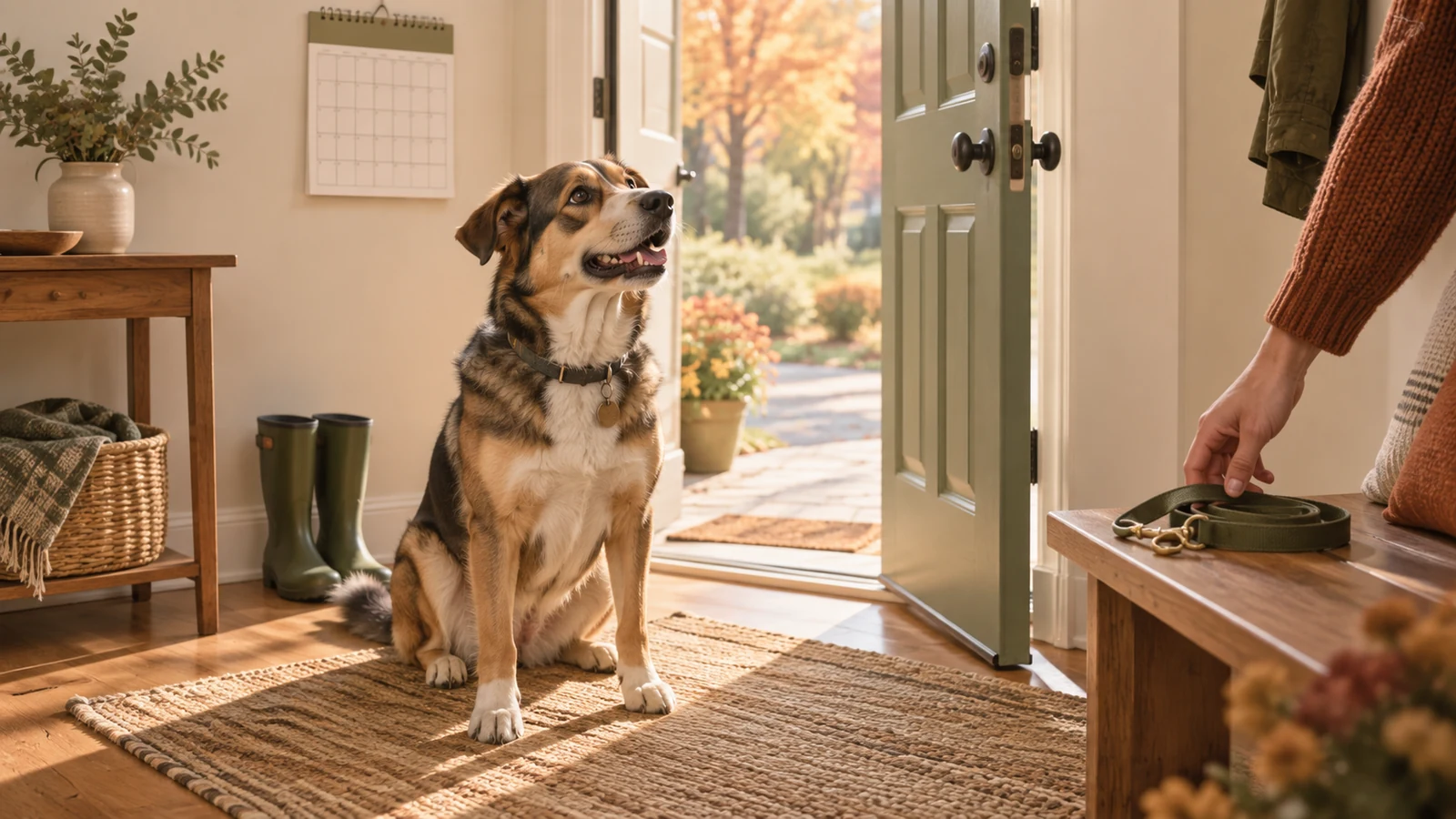
You reach for the leash, and your dog is already waiting by the door. The moment is ordinary: a familiar stretch, a quick glance back, the sound of tags against the bowl. A calendar may call the last full week of September National Dog Week, but a few extra treats cannot answer the more important question: what does it actually mean to be your dog’s best friend? This guide explains where National Dog Week came from, why public calendars show different dates in 2026, and how to turn the observance into small acts of care that matter after the week is over.
Quick answer: National Dog Week is a late-September observance that began in 1928 through the work of Captain Will Judy, a writer and dog advocate who promoted better care and respect for dogs. In 2026, public calendars list slightly different date ranges; check the organizer of any local event. The most meaningful way to celebrate is to improve one part of your dog’s daily life, support another dog if you can, and notice the individual habits that make your companion who they are.
When is National Dog Week in 2026?
National Dog Week is generally described as the last full week of September. For 2026, Pet Sitters International’s pet calendar lists September 20–26. A local government notice from Collier County, Florida uses September 21–27 for its National Dog Week promotion.
That difference is worth explaining instead of quietly choosing one date. Some calendars count a Sunday-through-Saturday week, while others use Monday through Sunday. If you are planning to attend a shelter event, parade, class, or fundraiser, follow the date published by the organization hosting it. The lasting idea is the same: set aside time to think about the responsibilities and companionship that come with living with a dog.
September also brings the American Kennel Club’s 2026 Responsible Dog Ownership Days initiative, which includes community education, safety activities, identification clinics, rescue information, and training events. It is a related effort, not a reason to turn National Dog Week into a shopping holiday.
Where did National Dog Week come from?
The American Kennel Club’s history of National Dog Week traces the observance to 1928 and Captain William Lewis Judy. Judy was a World War I veteran, an ordained minister, and the publisher of Dog World magazine. He used that platform to argue for kindness toward dogs and to promote the importance of service and therapy dogs at a time when those roles were less familiar to the general public.
The observance grew beyond a magazine campaign. The AKC’s account describes large club-led celebrations at New York City’s Rockefeller Center in the mid-1940s, when dog organizations used the week to combine public education with affection for dogs.

There is also a useful primary record from later in the tradition. A 1969 Congressional Record describes the 42nd annual celebration and links it to better dog care and owner education. Its short message—“Deserve To Be Your Dog’s Best Friend”—is a good summary of the observance’s older purpose: the relationship carries responsibilities in both directions.
What does National Dog Week mean now?
A dog does not know whether the calendar says Tuesday or National Dog Week. Your dog experiences the quality of the relationship through repeated details: whether water is available, whether rest is respected, whether outings allow time to explore, whether training is understandable, and whether a stressful situation is noticed before it becomes overwhelming.
That is why celebration works best as a check-in rather than a performance. The ASPCA’s criteria for responsible care include appropriate food and clean water, veterinary care, grooming and training, exercise, social interaction, hazard awareness, and identification. Those are not a scorecard for perfect owners. They are reminders that affection is most useful when it becomes reliable care.
Seven thoughtful ways to celebrate National Dog Week
1. Refresh one basic responsibility
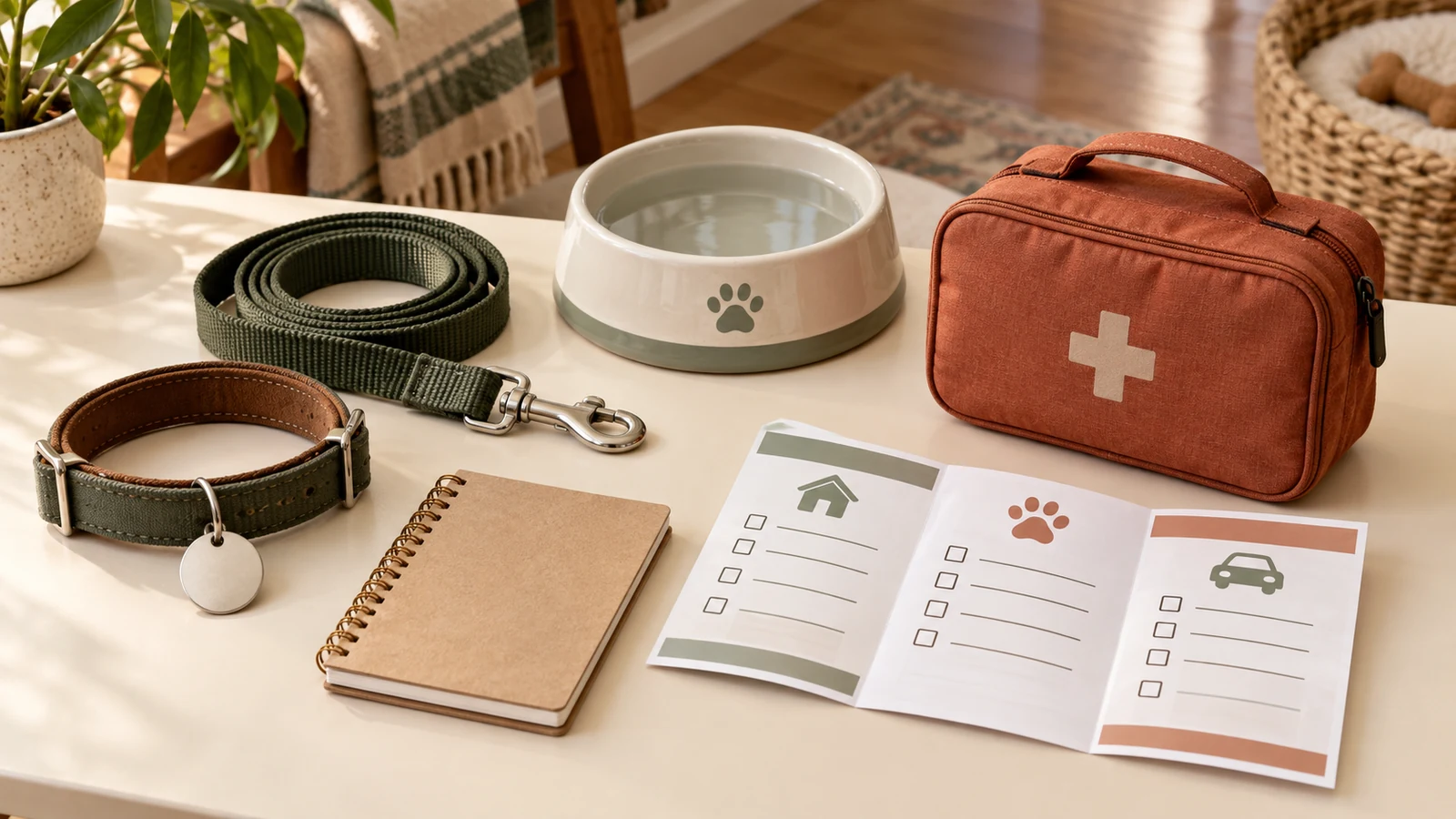
Choose one small item that is easy to postpone: check that identification is current, replace a worn leash, organize health records, review who can care for your dog during an emergency, or book a routine appointment if one is due. You do not need to overhaul your entire life in one week. A single finished task is more valuable than an ambitious list that disappears by October.
Make the task visible: keep the leash, identification reminder, and emergency note where you leave the house, so the habit has a natural cue.
2. Give your dog a chance to use their senses
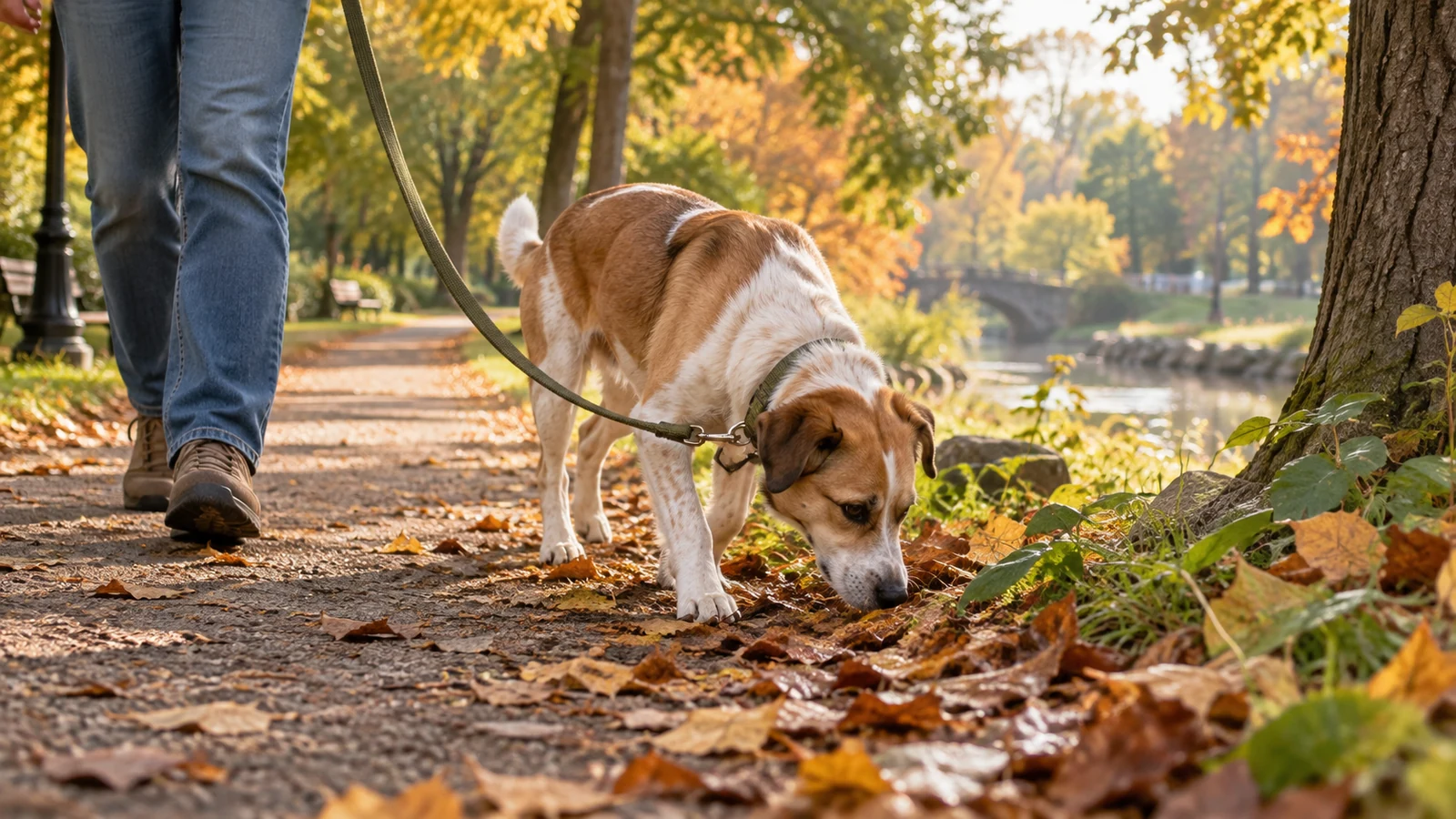
Enrichment does not have to mean buying another object. A slow walk with time to smell, a calm search game, a short training session, or a supervised food puzzle may give your dog a more interesting job than simply moving through the same routine. The ASPCA’s canine enrichment guidance connects enrichment with natural behaviors such as playing, smelling, chewing, and scavenging, and it emphasizes active supervision for homemade items.
Let your dog’s response guide you. If a game creates frustration or your dog tries to swallow part of a homemade object, stop and choose a safer activity. The point is not to prove that your dog can complete a clever puzzle; it is to make room for comfortable, species-appropriate engagement.
If your dog regularly brings you a toy to start an interaction, our guide to why dogs bring people toys looks at that kind of everyday ritual from a behavior perspective.
3. Learn one preference instead of relying on a stereotype
“Dogs love everyone” is a warm idea, but it is not a useful rule for every dog or every situation. Notice whether your companion prefers to greet slowly, walk at the edge of a group, sniff before moving on, play briefly, or rest near you. Respecting those differences makes everyday decisions more thoughtful than assuming that age, breed, or appearance tells you everything.
If a behavior is worrying, painful-looking, sudden, or unsafe, ask your veterinarian or a qualified behavior professional. A celebration article is not a diagnosis, and online advice cannot replace an individual assessment.
4. Make identification and emergency planning boringly easy
Responsible care includes preparing for the day a dog slips through an open gate or a family routine is interrupted. Confirm that tags and registration details are current, keep a recent description and photograph somewhere useful, and decide who could help if you were unexpectedly away. Check local rules for leashes, licensing, and evacuation locations rather than assuming that another city’s advice applies to you.
The AKC’s responsible-ownership guidance also recommends identification and a disaster plan. The best emergency plan is the one you can find quickly and explain to another person.
5. Practice communication that your dog can understand
Pick one cue or household rule and make it consistent. Everyone who lives with the dog should know what the cue means, what behavior earns praise, and when to give the dog space. Clear repetition is kinder than changing the rules and then treating confusion as stubbornness.
Training can be a relationship activity rather than a correction ritual. Keep the session short, reward progress, and finish before either of you is frustrated. If children and dogs are playing together, an adult should supervise the interaction, even when the dog is usually gentle.
6. Help a dog outside your own home
National Dog Week can include dogs you will never meet. If you have room in your budget, donating food or veterinary support may help. If you have time, a local rescue may need volunteers, foster homes, transport help, or someone willing to share an accurate adoption listing. Choose the form of help you can sustain; responsible support should not create a new promise you cannot keep.
The AKC’s 2026 Responsible Dog Ownership Days page lists rescue information and community education among its event ideas. A small, practical contribution is enough to make the week about more than the dog already sleeping in your living room.
7. Save one ordinary detail
The most memorable thing about a dog is often not a dramatic trick. It may be the way they carry a toy to the kitchen, wait for the last person to come home, turn their head at a particular sound, or settle beside the same chair every evening. Write down one of those details or save a photograph that shows it.
Do not wait for a perfect pose. A useful memory is specific because it belongs to this dog, in this season, with this household.
The record can stay simple: a note, a printed photograph, or a small object that helps you return to the scene later.
National Dog Week is not the same as National Dog Day
National Dog Day is a separate one-day observance held on August 26, according to its official information page. National Dog Week is the late-September week associated with Will Judy’s long-running campaign for better care and appreciation. They can share the same spirit, but they answer different calendar searches.
That distinction also points to a broader lesson: a date can start a conversation, but it cannot carry the relationship for you. The useful part is what remains in the routine when the social posts, event flyers, and special treats are gone.
A keepsake can begin with an ordinary moment
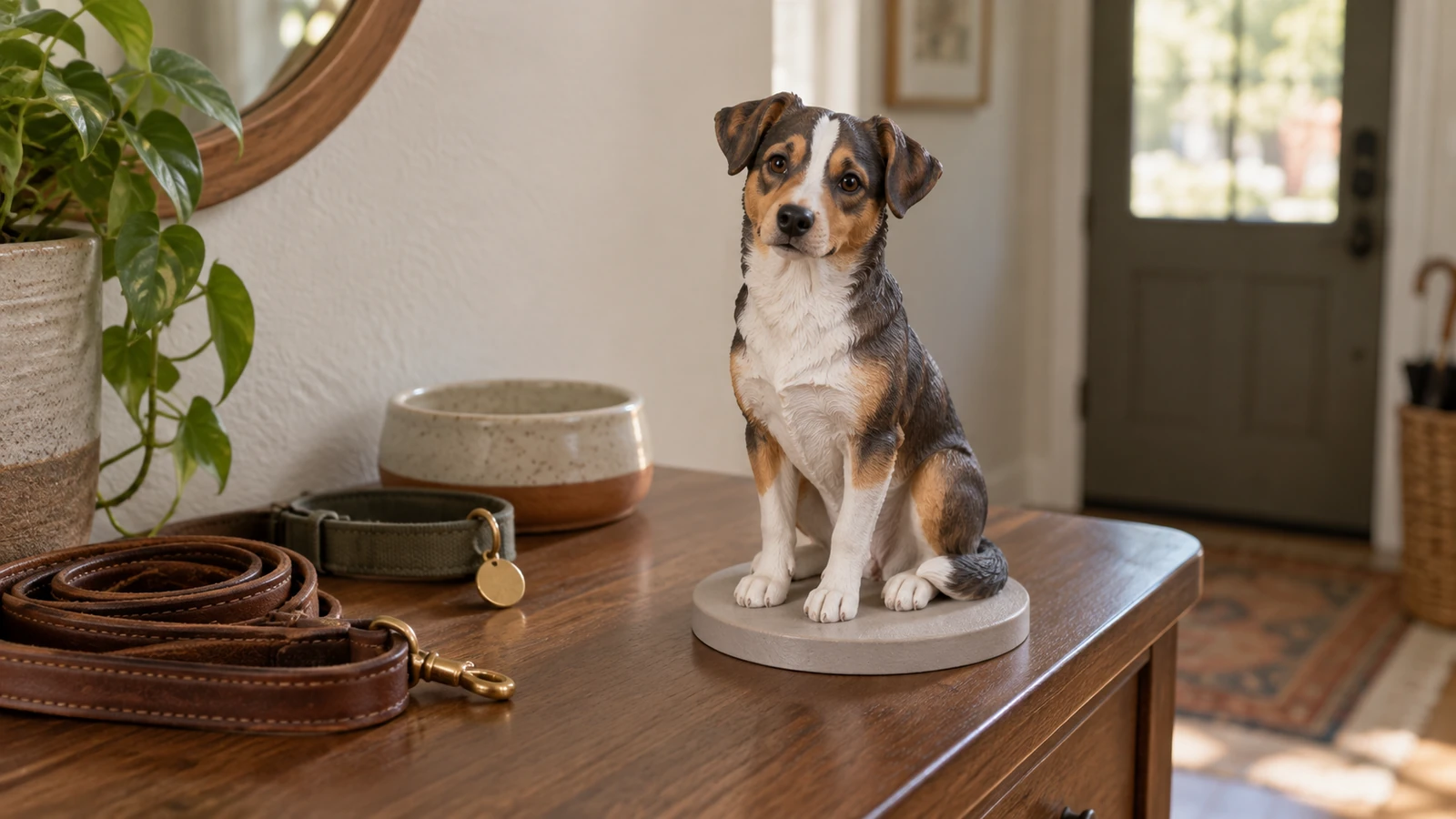
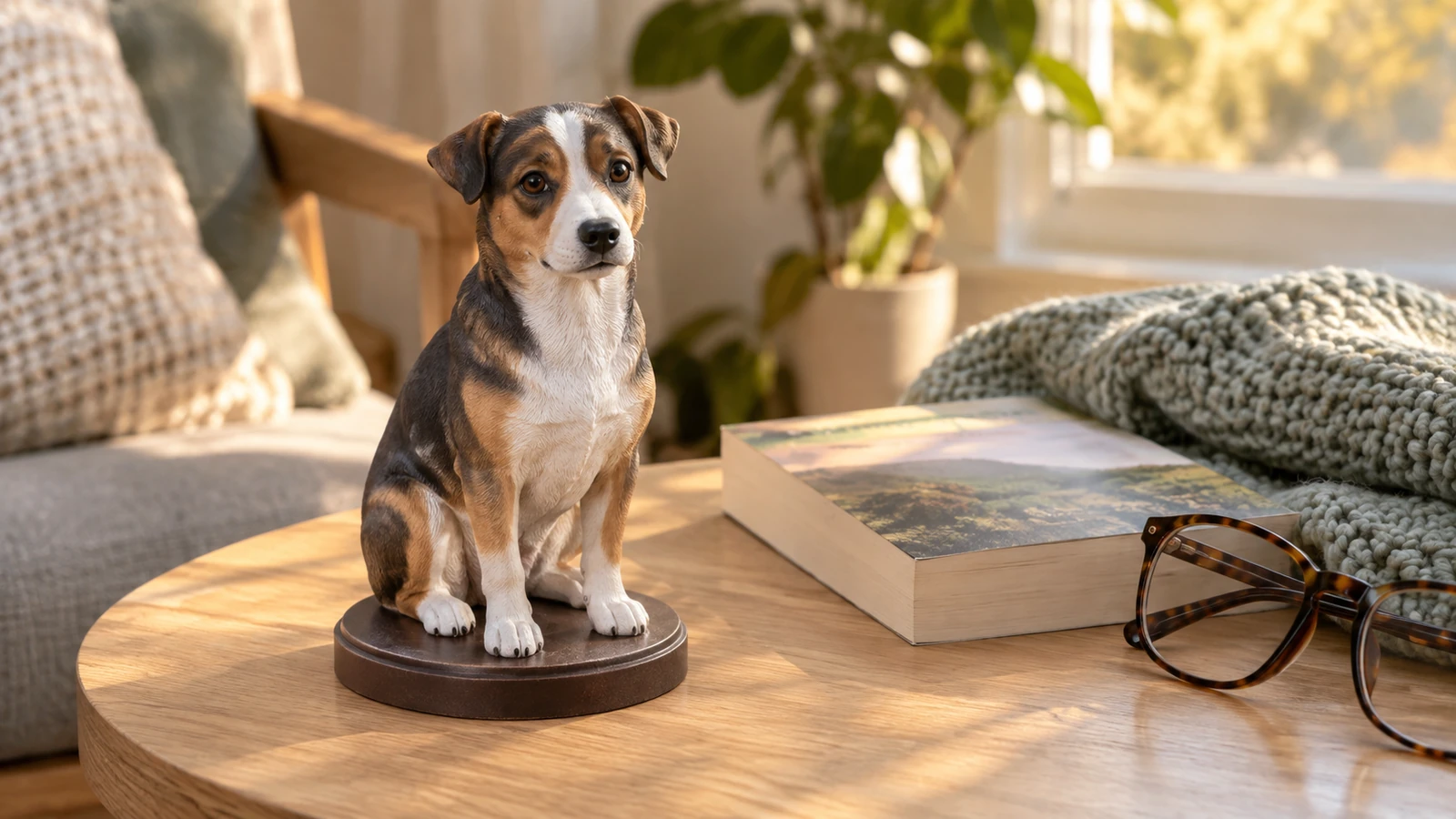
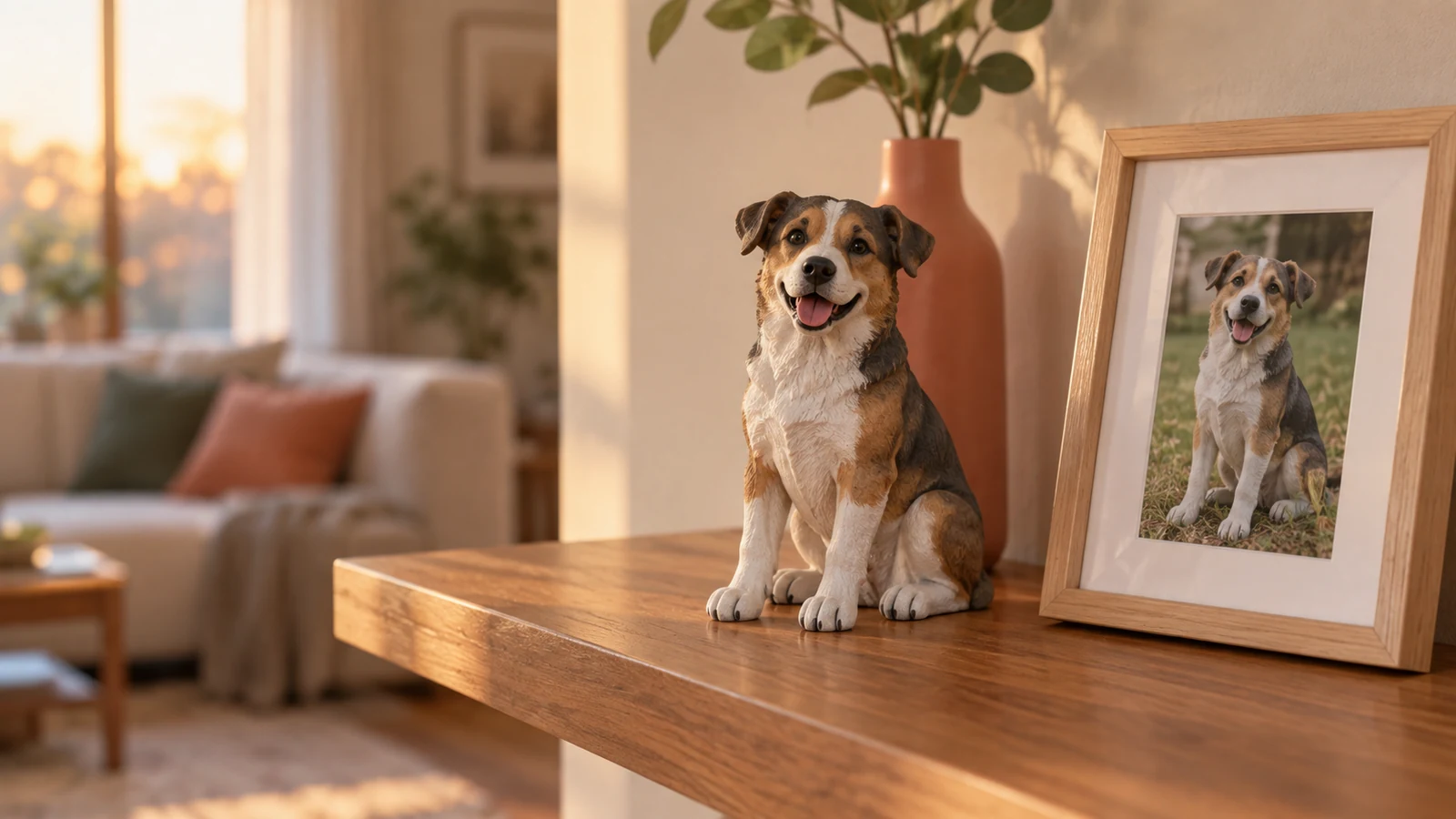
Some people mark a meaningful week by keeping a small record of a daily habit. If one photograph already captures the expression, stance, or slightly crooked detail that feels unmistakably like your dog, Tiny Presence’s custom pet sculpture is one way to turn that chosen reference into a lasting object. It is an optional keepsake, not the point of the observance: the value begins with noticing the individual animal and the life you share.
The best celebration lasts past the calendar
National Dog Week began as a public reminder to respect dogs and care for them well. Its most useful modern version is quiet: update the tag, take the walk at your dog’s pace, offer a safe chance to sniff and play, support a shelter, or write down the small habit you would miss most.
Choose one act you can repeat. That is how a week of appreciation becomes the kind of everyday relationship the old message was asking owners to deserve.
Reader questions
What is National Dog Week?
It is a late-September observance founded in 1928 through Captain Will Judy’s campaign to promote kindness, better care, and respect for dogs. The exact date range used in 2026 depends on the calendar or event organizer.
How should I celebrate National Dog Week?
Start with one useful act of care: refresh identification, improve an ordinary routine, give your dog safe enrichment, learn a preference, help a rescue, or preserve an ordinary memory. The most useful celebration is specific and repeatable, not expensive or performative.
Is National Dog Week an official national holiday?
It is a recognized observance with a long history, not a federal public holiday that closes businesses or creates a single nationwide schedule. Local groups may publish different event dates, so follow the organizer’s notice.
Is National Dog Week the same as National Dog Day?
No. National Dog Day is observed on August 26; National Dog Week is associated with the late-September week and the Will Judy tradition.
For more evidence-led pet stories and everyday guides, continue through the Tiny Presence Blog.